February 18, 2025
Discovering Florida’s Wildlife on Captiva Island
Captiva Island – home to South Seas Homes of Distinction, part of the Andiamo Collection – is a haven for nature lovers and wildlife enthusiasts. From coastal birds to marine life, it stands as a sanctuary for a wide array of species that flourish on land, air, and sea.
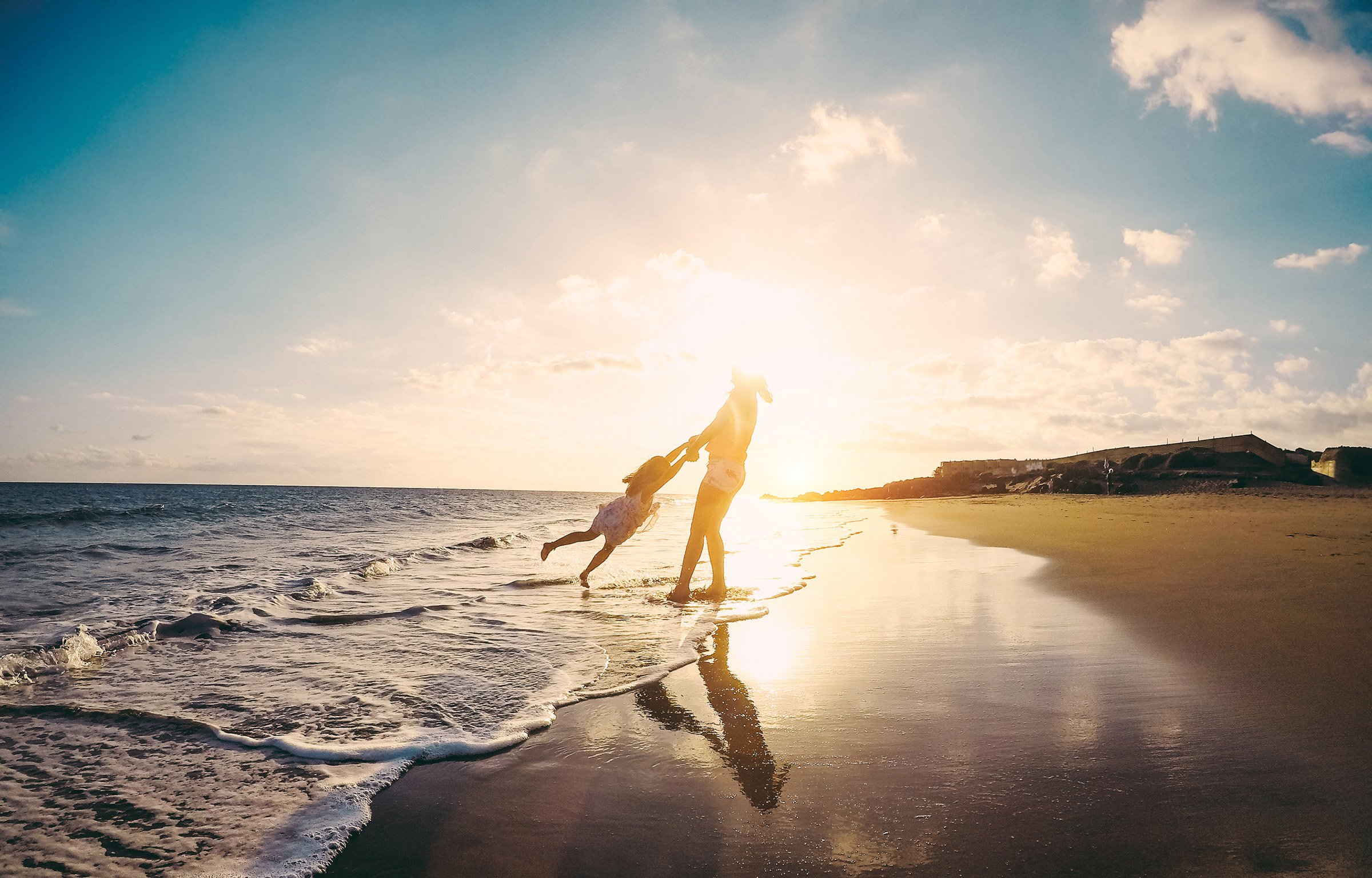
Located in Southwest Florida, this narrow strip of paradise is renowned not only for its stunning white sand beaches and mesmerizing sunsets but also for its rich and diverse ecosystem.
Birdwatcher’s Paradise
Captiva Island is a prime location for observing a variety of coastal and migratory bird species. The island’s estuaries and mangroves create an ideal habitat for wading birds like egrets, herons, and the iconic roseate spoonbill. With its striking pink feathers, the roseate spoonbill often graces shallow waters, stirring up nutrients with its uniquely shaped bill, much to the delight of photographers and bird enthusiasts.
Ospreys, often referred to as “sea hawks,” are frequently seen soaring above the island’s coastline. Their sharp eyes scan the waters for fish, which they skillfully snatch from the surface with powerful talons. These raptors build large nests atop utility poles and trees, making them a frequent sight on the island.
Captiva serves as a critical stopover for migratory birds traveling along the Atlantic Flyway. During migration season, species like warblers, tanagers, and shorebirds take refuge on the island, offering rare glimpses for dedicated birdwatchers.
Marine Marvels
Due to its location within the Gulf’s warm, nutrient-rich waters, Captiva Island is teeming with marine wildlife. Dolphins are perhaps the most famous of Captiva’s marine residents. Bottlenose dolphins can frequently be spotted swimming and playing close to shore. These intelligent creatures often travel in pods, their graceful movements creating a sense of harmony with the ocean.
Sea turtles, particularly loggerhead turtles, rely on Captiva’s shores for nesting. During the nesting season, which runs from May to October, female turtles return to the beaches where they were born to lay eggs. Local conservation organizations work to ensure that the nests are protected and that hatchlings have the best chance of survival. Visitors may encounter signs alerting them to these efforts and are encouraged to be mindful of nesting areas when exploring the beaches at night.
Manatees, the gentle giants of Florida’s waters, also frequent the island’s nearby bays and lagoons. These slow-moving herbivores graze on seagrasses and are often spotted in shallow waters, especially near the South Seas marina. Captiva’s calm and clear waters make it an ideal place to witness these beloved creatures in their natural habitat.
Land Animals and Flora
While Captiva is best known for its marine and bird life, the island’s terrestrial ecosystem is also worth exploring. Marsh rabbits, raccoons, and armadillos can be seen darting through the underbrush. These small mammals contribute to the island’s biodiversity, scavenging for food along the shoreline or within the subtropical vegetation.
The lush flora of Captiva Island plays a crucial role in sustaining its wildlife. The island is dotted with palm trees, sea grapes, and lush tropical vegetation, providing shelter and food for many species. The mangrove forests, in particular, act as nurseries for marine life and a habitat for land animals and birds.
Eco-Tourism
Visitors are encouraged to embrace eco-tourism by following responsible practices, such as maintaining a safe distance from wildlife, avoiding interference with nesting sites, and adhering to “leave no trace” principles. Wildlife tours, such as guided kayaking trips and birdwatching excursions, offer guests a chance to experience the island’s natural beauty while fostering a deeper appreciation for conservation.
Whether it’s a chance sighting of a pod of dolphins or the tranquility of watching sea birds soar across the horizon, South Seas offers a breathtaking wildlife experience that captivates the heart and mind. This pristine destination, where the connection between land, sea, and sky is ever-present, invites visitors to pause, observe, and marvel at the natural world. Each encounter with the island’s wildlife feels like a small moment of magic, reminding us of the delicate balance that exists in nature and the importance of protecting it for future generations.